The problem: a house-style leak inside a building
A ground-floor condo is a slab-on-grade unit, so the supply and drain lines serving it often run under or through the concrete, just as they do in a single-family home. A leak there behaves the same way: water goes into the slab and the ground below, and the signs inside the unit can be slow to appear.
What differs is the setting. The unit shares walls, and sometimes plumbing runs, with its neighbors. Some lines serve more than one unit. Access may need coordinating with a manager. And a leak that starts in one place can show up as dampness in another. A technician has to work out which line is involved and where it goes.
What owners and tenants notice
The signs are the familiar ones. A warm spot on the tile. A water bill that rises, if the unit is metered individually. Damp baseboards, darkened grout or tile that lifts. A smell of dampness. A running sound when nothing is on. A neighbor or a manager who mentions water.
In a building, the first word sometimes comes from someone else, such as a neighbor who notices dampness on a shared wall or a manager who sees a stain in a common area. If that happens, ask what they have seen, and do the meter check if your unit has its own meter.
If your unit has its own meter, tell us what it does.
Meter Still Moving? Call NowWhy ground-floor units in Florida are different
Many Florida condo buildings date from the 1970s to the 1990s, and many have copper lines in the slab. Others were built or updated in different eras with different piping, and a technician does not assume which. A ground-floor unit is also nearest the ground, where sandy soil and a high water table can carry escaped water away.
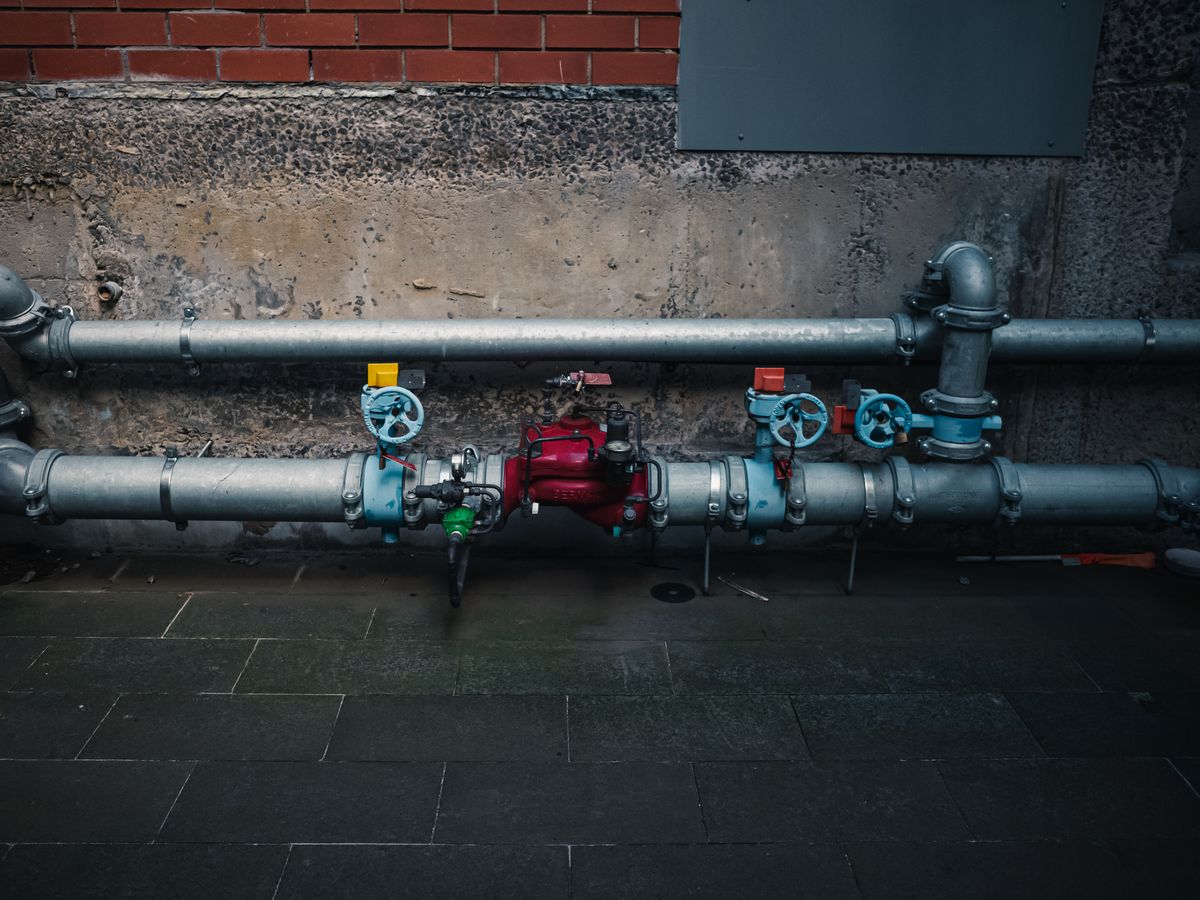
There are often many such units in one building, and they share an arrangement of risers, shutoffs and walls that a house does not have. The technician needs to understand which valves control which lines, and who can operate them. See why Florida leaks hide.
Tracing a leak in a building
The aim is to confirm that the leak is on the line serving your unit, and where. The steps are similar to a house, with a few extras.
Which valve controls the unit. The technician needs to know where the unit's shutoff is, and whether it isolates the unit or a wider section. Your manager can help.
Isolate and test the unit's lines. With the unit isolated, a pressure test shows whether the unit's lines hold.
Check shared lines separately. If the unit holds but a shared line may leak, the technician says so, and the right party can look into it.
Listen and image across the floor. Acoustic and thermal readings find the position, taking account of noise from neighboring units.
Agree the access. The technician explains what needs opening and whether it affects a neighbor or common area, so the manager can be involved.
Tell us where it is and which unit.
Warm Spot on the Tile? Call NowWhat to do and what not to do
If water is visible, close the unit's shutoff if you know where it is and can reach it safely. Keep clear of wet areas, move valuables and call. Tell your manager. If water is coming from a neighboring unit or a wall, tell the manager at once.
Please do not break into the floor or walls, do not operate building-wide valves and do not cut into lines. Keep clear of water near outlets or appliances. If you smell gas, leave the building and call the gas utility and emergency services from outside. We do not give advice on building rules or who is responsible for what. Your manager is the person to ask.
How the technician works in your unit
The technician arrives knowing the building will affect the visit. They ask where the shutoff is and who can give access. They isolate the unit's lines, pressure test them, and use acoustic listening and thermal imaging to find the position. In a block with several units, they take care to separate sounds from neighboring plumbing.
The result is an answer about your unit's lines and the location of any leak. If the technician finds the source is elsewhere in the building, they will say so. See how slab leaks are found.
Seasonal owners are welcome to call.
Water Bill Tripled While You Were Away? Call UsRepair options in a condo
The options are the same as for a house: a spot repair through the slab, a reroute above the slab, lining where suitable or wider repiping where several lines are involved. In a condo, practical factors weigh more. Reroutes through walls may need coordination. Opening a floor affects flooring and possibly noise for neighbors. Work may need scheduling with building management.
The technician explains the options for your layout and gives upfront pricing with no hidden fees before work begins. See slab leak repair.
Afterwards
After a repair, the unit's lines are tested again to confirm pressure holds. Restoration companies handle drying and cleanup of wet flooring and walls.
If you own a unit but do not live in it, ask your manager to look in periodically, and see the before-you-leave checklist. Keep a record of what the technician found.
Working with the manager
The building manager knows where the shutoffs are, who holds the keys to neighboring units and how the lines are laid out. Call them early and tell them what you have seen. A manager who knows the technician is coming can arrange access to common areas and to the shutoff.
Ask the manager to note the date and the meter reading in the building's records.
Neighboring units
Walls and slabs are shared in a building, so a leak can show up on the other side of a wall. If the sign appears in a unit next door, the source may be on either side. A technician works by isolating lines and testing, instead of guessing from the position of the damp.
Be ready to give the technician a way into the neighboring unit through the manager.
Keeping the building informed
Share the technician's findings with the manager in writing: the date, where the leak was, what was done and the test result. A short note keeps the building's records clear and helps if a neighboring unit has a similar sign later.
If another unit is affected, put the manager and the neighbor in touch, and let them work out the next steps.
We do not decide who is responsible for what in a building. That is a matter for the people and the documents involved.