Why finding it takes several steps
Water under a slab can travel along the pipe trench, through sandy fill and out at a point far from the leak. Damp at one wall does not mean the pipe is under that wall. A single test rarely settles it, so technicians combine methods and cross-check the results.
The aim is to open as little floor as possible, and only once the position is confirmed. Skipping the confirmation steps is how the wrong spot gets cut.
The usual sequence
The order can change with the home, but the stages are consistent.
Check the meter. With every fixture off, a moving meter dial suggests water is leaking somewhere on the property.
Isolate the lines. The hot and cold lines are shut off separately to see which one is losing pressure.
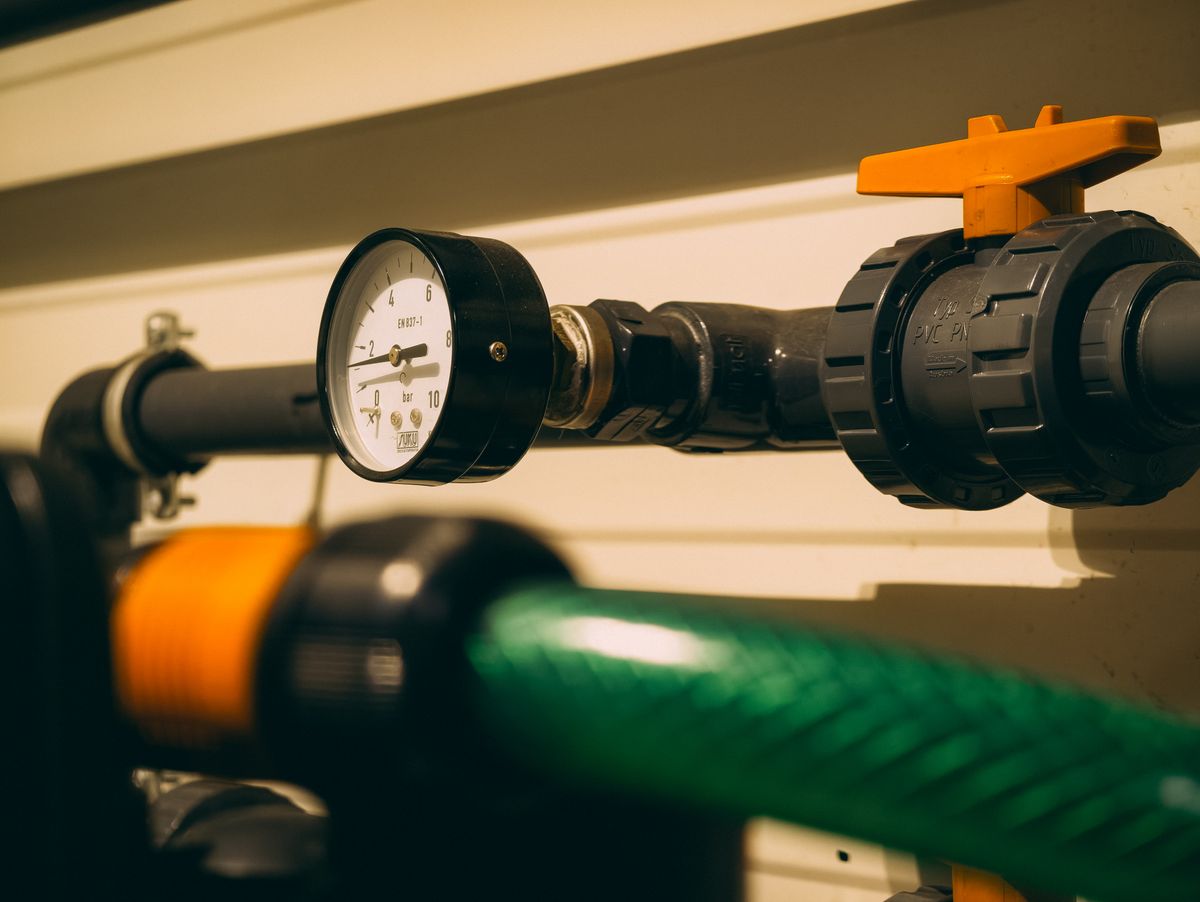
Pressure test. Sections of the supply line are held under pressure and watched for a drop.
Listen across the floor. Acoustic equipment picks up the sound of escaping water through the concrete.
Add thermal imaging. Where a hot line leaks, a thermal camera can show a warm area on the floor.
Cross-check and mark. The readings are compared, and the likely position is marked on the floor.
A technician explains before arriving.
Ask How the Tests WorkMeter and isolation tests
The meter test is the first step and the one an owner can do safely. Turn off every tap, appliance and irrigation zone, then watch the low-flow indicator on the meter. See water meter leak check.
Isolation then separates the hot side from the cold side and the house from the street. If the hot line loses pressure and the cold holds, the search is already smaller. See hot water slab leaks.
Acoustic and thermal methods
Acoustic listening works because pressurized water makes a distinct sound when it escapes. The technician moves sensitive microphones across the floor and notes where the sound is loudest. Concrete, tile thickness and other plumbing noise can blur the reading, which is why a second method helps.
Thermal imaging suits hot lines. A camera reads surface temperature, and a leak in a hot line can warm the slab above it. It does little for cold lines. See warm spot on a tile floor.
Straight answers about locating a leak.
Speak With Someone LocalWhat can make a leak harder to find
Several leaks at once, a leak in a drain line and not a supply line, a very deep line, and a slab with radiant or heavy reinforcement can all complicate the readings. Outdoor sources can mimic an indoor leak, so irrigation and the pool are ruled in or out. See pool leak or slab leak.
Where the readings give an area and not a point, the technician says so. That honesty matters, because it affects how much floor may need to be opened.
What you can do before the visit
Note when you first noticed the sign, which rooms are affected and whether the bill changed. Write down the meter reading with everything off, then again an hour later. Move rugs from the area if you can do so safely.
Please do not cut into the floor or probe the slab yourself. Cutting can strike other lines and cannot tell you where the leak is.
Describe what you see.
Meter Moving? Call NowHow Florida soil affects the search
Sandy soil and a high water table are common across the state. Water from a leak can spread sideways through loose sand, and a high water table can make the ground around a slab wet even with no leak at all. The technician allows for both when reading the results, and does not rely on dampness alone.
In coastal areas, salt in the soil and groundwater can also corrode copper from the outside. That is one reason pipe condition is checked as well as position. See why Florida leaks hide.
Supply lines and drain lines
Most searches start with the supply lines, since they hold pressure and are the usual source of a rising bill. A drain line leaks in a different way. It carries water away without pressure, so pressure tests do not apply, and a camera inspection or a fill test is used instead.
If the signs point to a drain line, the technician explains the different method before starting. See under slab drain line leaks.
What you should get at the end
A good visit ends with a clear account: which line is leaking, the marked position, how confident the technician is and what else was checked and ruled out. Ask for photos of the markings if you want a record.
If no leak is found, the technician says so, and explains what was tested. A leak that comes and goes can need a second visit, and that is normal to discuss.
After the leak is located
Once the position is confirmed, the technician explains what was found and the options for fixing it. See repair options compared. Price and time are explained before work begins.
Detection on its own is a valid visit. You can have a leak confirmed and located, take the findings away and decide at your own pace. See slab leak detection.
Equipment you may see
Technicians bring a pressure gauge and test plugs, a ground microphone or acoustic listener, a thermal camera and sometimes a tracer-gas kit. You may not see all of them on one visit. The choice depends on what the isolation tests show and what the floor is made of.
The equipment matters less than the way it is used. A technician who explains each step is easier to trust than one who just points a device at the floor.
Marking the spot
Once the likely position is found, it is marked on the floor, often with a cross-check from a second method. The mark shows where the opening would go if a spot repair is chosen, or where a reroute should begin.
Ask to see the mark and have it explained. A location confirmed by two methods gives more confidence than a single reading.
Why some searches take longer
A leak in a small, deep line under thick concrete can be quiet. A hot line in a warm slab can be hard to see on a thermal camera. A house with a lot of background noise makes listening difficult. In these cases, the technician may combine methods or come back at a quieter time.
Longer does not mean worse. It usually means the technician is making sure of the position before anything is cut.
Ask what has been ruled out so far and what the next step is. It helps you understand where the search stands.