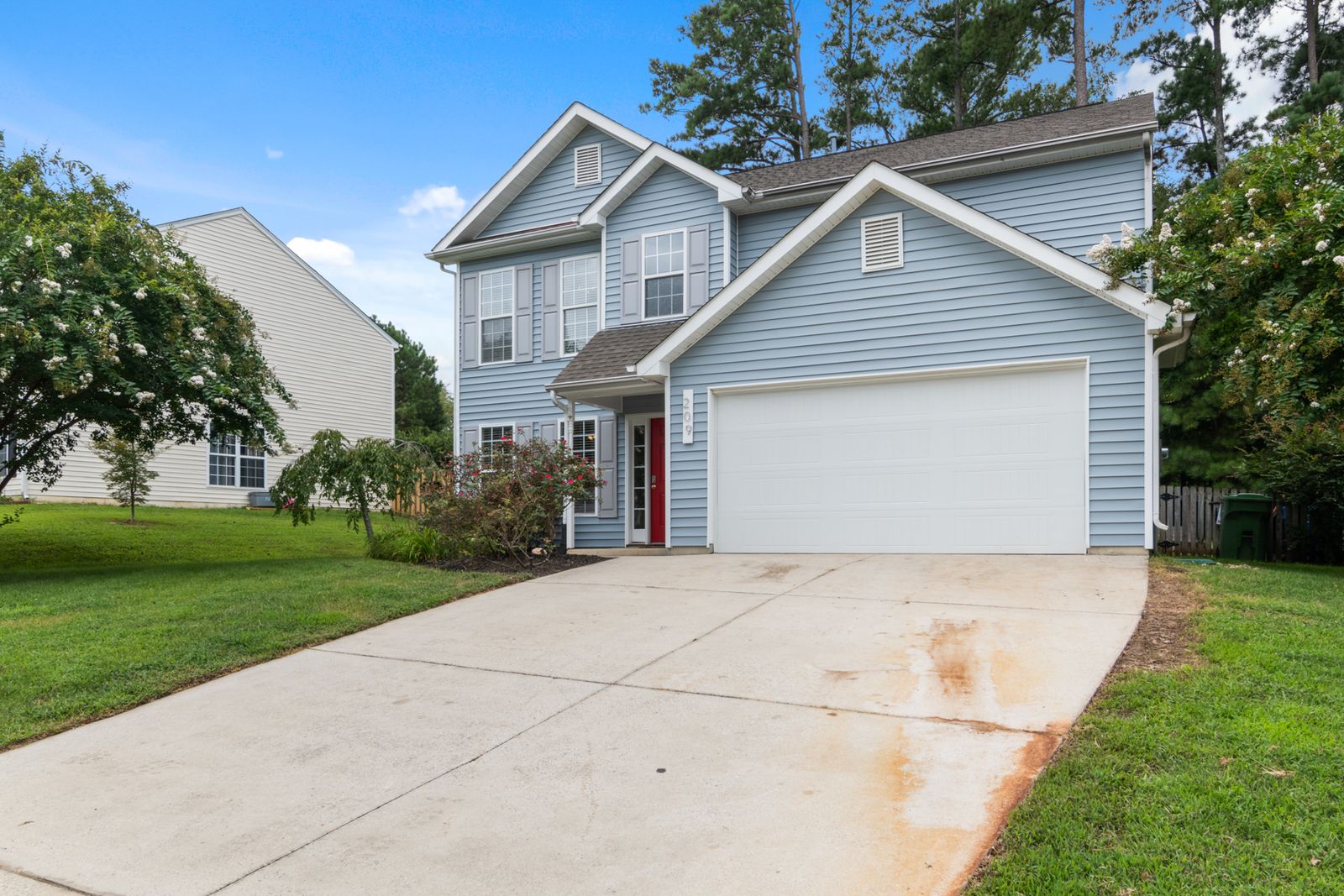
Slab leaks in Urban Core and Bayfront
The urban core and the bayfront neighborhoods around it are dominated by mid-rise and high-rise residential buildings, with older low-rise apartments and bungalows between them. Many buildings stand on slabs or on podiums above parking, so what lies under a given unit depends on the floor it is on.
An under-slab leak is often called a foundation leak, though the foundation itself is rarely the cause. In Urban Core and Bayfront, it is almost always a water or drain line under the concrete that has failed.
Leak detection comes first. A technician serving Urban Core and Bayfront isolates each line, pressure tests it and then pinpoints the leak so any repair is as small as possible.
This part of Miami covers ZIP codes 33127, 33128, 33129, 33130, 33131, 33132, 33133, 33136, 33137, 33138.
Housing and pipes here
Ground-floor and townhouse units are the ones where a slab leak is likely. Older low-rise buildings often have copper supply lines, and newer ones PEX. Shared walls and shared risers mean the first question in any call is whether the leak is in the unit or in the building.
Access is often the practical issue here. Parking, building rules and the manager all affect how a visit is arranged, so telling us whether the home is a condo, and who looks after the building, speeds things up.
Many buildings in this part of Miami were built in waves: low-rise apartment blocks from the 1950s and 1960s, mid-rise condos from the 1970s and 1980s, and towers from the 2000s onward. Their plumbing follows the same waves. The older low-rise blocks tend to have copper risers and branch lines, while the newer towers use a mix of copper, PEX and other materials depending on the builder and the floor. On a ground-floor or podium-level unit, the lines to the kitchen and bath often run through or under the slab, which is where a slab leak would sit.
The practical questions in a building are usually about access and responsibility for the shared parts. Parking garages, loading rules, building hours and the need to notify a manager all shape when a visit can happen. A unit owner can help by knowing where the unit shutoff is, whether the building has a separate shutoff for the stack, and who the manager is. If water is seen on a ceiling below or on a neighbor’s wall, close the unit shutoff if you can reach it, tell the manager and call us.
Townhouses and small infill homes in the same area are closer to a house than to a tower. They are usually on slabs, often with copper, and a leak in them behaves like a leak in any slab home: a warm patch, a moving meter or a damp wall base.
The five-minute meter check
Around Urban Core and Bayfront, this check gives the technician a head start if you do it before you call.
Turn everything off. Close every tap and stop the washer, dishwasher and irrigation.
Find the meter. It is usually near the street or the front of the property. Lift the lid carefully.
Watch the dial. The small triangle or wheel spins at the slightest flow. The main dial should be still.
Wait an hour. Read the meter, wait with everything still off and read it again.
Call with what you saw. Share both readings, the time and any warm or damp areas. See water meter leak check.
A person answers, day or night.
Get a Leak Crew Out TodayThe water bill that won't come down
A bill that climbs when nobody has moved in and water use is unchanged deserves a closer look. A hidden leak adds water around the clock, so the extra amount tends to continue from month to month, including during an absence.
Look at the meter. A dial that moves with everything off means water is being lost, perhaps from a slab leak, toilet, sprinkler line or pool fill, and sorting out which is the technician's first task.
Pressure testing for under-slab leaks
A pressure test keeps the supply lines pressurized and looks for a fall. If the gauge falls while every fixture is off, water is escaping somewhere between the valve and the fixtures.
Around Urban Core and Bayfront, the test says that a leak exists and which section is involved. It does not say where the leak is, which is why it is paired with listening and thermal readings.
Condo ground-floor units and slab-on-grade
Condo units on the ground floor are commonly built on the slab, and their supply lines run through or under it as in a house. A leak in the unit's own lines can act just like a house slab leak.
What differs is the building around it: shared walls, a neighbor above and below, a shutoff that may sit in a utility closet and an association to inform. The technician explains what is the unit's issue and what is the manager's.
We will talk through what to check.
Warm Spot on the Tile? Call NowTracing a leak in a condo building
Water showing on a ground-floor ceiling or a damp wall in a multi-story building could come from the unit above, a shared line in the wall or the slab below. Isolating the unit's own supply is the step that tells these apart.
A unit whose lines hold pressure while the meter or building supply shows a loss is not the source, and the technician tells you so before you contact the building manager.
Damp baseboards and lifting tile
In Urban Core and Bayfront, water coming up from beneath the slab can show as dampness low on a wall, darker grout, tile that begins to lift or a soft patch in the floor. Those marks appear where the water reaches the surface, often away from the leak itself.
Water takes the easiest route, so the wettest spot may not be where to begin. The technician locates the source before any floor is touched.
After the repair: testing and the hand-off
Once the line is repaired it is pressure tested and monitored, and the meter is checked with everything off. The opening is closed only after that.
Around Urban Core and Bayfront, restoration companies handle drying and cleanup, and the floor finish is generally a separate trade. Ask who is arranging each and when.
Other parts of Miami
Beyond Urban Core and Bayfront, the rest of the city is covered on these pages, and the Miami overview sets out how the work is done.
Slab leak services
Around Urban Core and Bayfront, every page covers the process, the options and what to ask before agreeing to work.
- Emergency service
- Water meter leak check
- How slab leaks are found
- Slab leak repair and replacement
- Seasonal home slab leaks
- Pool leak or slab leak
- Condo ground floor
- Why Florida leaks hide
Tell us what was fixed before.
Another Slab Leak? Call Us