Slab leaks in Northwest Corridor
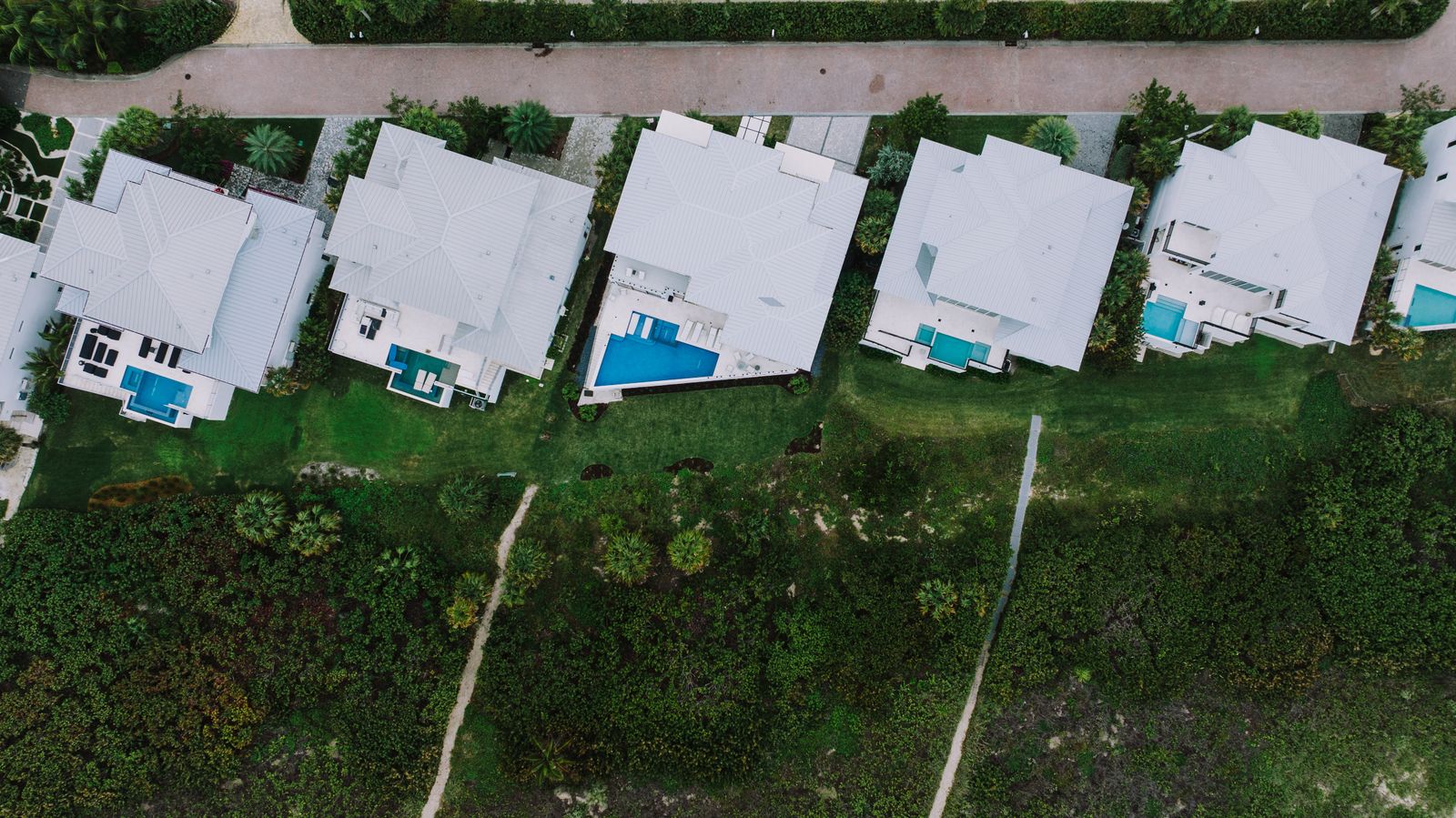
Northwest of the center, the housing is largely 1950s to 1970s block construction on slabs, with duplexes, small apartment buildings and many single-family homes. Copper supply lines are typical of the era.
People describe the same problem in different ways: a slab leak, an under-slab leak, a foundation leak or a water leak under the house. In Northwest Corridor homes built on concrete, they usually mean a supply or drain line leaking below the floor.
Slab leak detection in Northwest Corridor is non-invasive: the technician tests, listens and measures from above the floor, and opens it only once the leak is located.
This part of Fort Lauderdale covers ZIP codes 33309, 33311, 33312, 33313, 33319, 33334, 33351.
Housing and pipes here
Duplexes and small multi-unit buildings can hide which unit is leaking behind a shared meter. Isolation and sub-checks help separate them.
Older tile and terrazzo can be hard to match, which often brings up a reroute above the slab as an option.
Northwest of the center the housing is largely single-story block homes from the 1950s to the 1970s, with duplexes and small apartment buildings on many streets. These homes have slabs, usually with terrazzo, tile or older vinyl, and copper supply lines that are now several decades old.
Because many properties here are duplexes or small buildings, a leak may be in one unit or shared. A shared meter hides which. The technician isolates each unit’s supply and checks them in turn, and the owner or manager is part of the call.
Matching old tile or terrazzo after a repair is a real concern. A reroute above the slab can leave the floor untouched, and a spot repair through the slab opens a small area. The technician explains which fits your home and the price of each before any work starts.
The five-minute meter check
Around Northwest Corridor, doing this check before you call gives the technician a head start.
Turn everything off. Close every tap and stop the washer, dishwasher and irrigation.
Find the meter. It is usually near the street or the front of the property. Lift the lid carefully.
Watch the dial. The small triangle or wheel spins at the slightest flow. The main dial should be still.
Wait an hour. Read the meter, wait with everything still off and read it again.
Call with what you saw. Share both readings, the time and any warm or damp areas. See water meter leak check.
We explain the choices for your floor.
Ask About Reroute OptionsThe water bill that won't come down
A bill that climbs when nobody has moved in and water use is unchanged deserves a closer look. A hidden leak adds water hour after hour, so the higher amount tends to repeat each month and does not drop when the household is away.
In Northwest Corridor, start with the meter. If the dial moves with every tap off, water is going somewhere on the property. It may be a slab leak, a toilet, an irrigation line or a pool fill, and separating those is the first job of a leak technician.
When repiping becomes the conversation
In Northwest Corridor, repiping replaces a larger part of the supply plumbing. It comes up when more than one line is worn, when leaks repeat or when a home has a pipe type that has a history of trouble.
In Northwest Corridor, it is a discussion and not an automatic recommendation. Before any work begins the technician explains what they saw, what each option involves and what it costs.
Rerouting above the slab
In Northwest Corridor, a reroute leaves the leaking line unused and runs a new one through walls or the attic to the same fixtures. The floor is mostly left alone, and openings are made in walls or ceilings instead.
Around Northwest Corridor, it is often considered where the floor is hard to match, where several runs are affected or where the same line has leaked before, and the old line stays in place, unused.
We rule the pool in or out.
Pool or Slab? Talk to a Leak TechThe second slab leak
Around Northwest Corridor, it is reasonable, following a second leak, to ask what the technician saw along the line and if a wider option should be considered. Nobody can promise another leak will not appear.
PEX in newer homes
Newer slab homes often use flexible PEX tubing for supply lines. It does not corrode the way metal can, and it is usually laid in long runs with few joints, which suits a slab.
Around Northwest Corridor, in PEX, leaks are most often at fittings or where the tubing was bent sharply or chafed during building. Pressure testing and listening are still how they are located, and the repair options are the same as elsewhere.
Coming back: what to check in the first hour
In Northwest Corridor, before opening the main, walk the house and note anything that feels different underfoot, such as a warm patch on tile, a soft edge on laminate or a musty smell in one room. Then open the main, close every tap and watch the meter, because a dial that moves in the first few minutes is worth a call before you unpack.
For Northwest Corridor homes, an hour later, read the meter again. If you were away all season, compare the reading with the one you wrote down on departure and with the last bill, and take photos of the dial and any damp areas to help the technician before they arrive.
Other parts of Fort Lauderdale
More about the rest of the city is on these pages, and the Fort Lauderdale overview explains how the work is carried out.
Slab leak services
Around Northwest Corridor, every page covers the process, the options and what to ask before agreeing to work.
- Emergency service
- Water meter leak check
- How slab leaks are found
- Slab leak repair and replacement
- Seasonal home slab leaks
- Pool leak or slab leak
- Condo ground floor
- Why Florida leaks hide
Straight answers, no pressure.
Speak With Someone Local